The Impact of Technology on Regular Painting Procedures By Gustav Woltmann
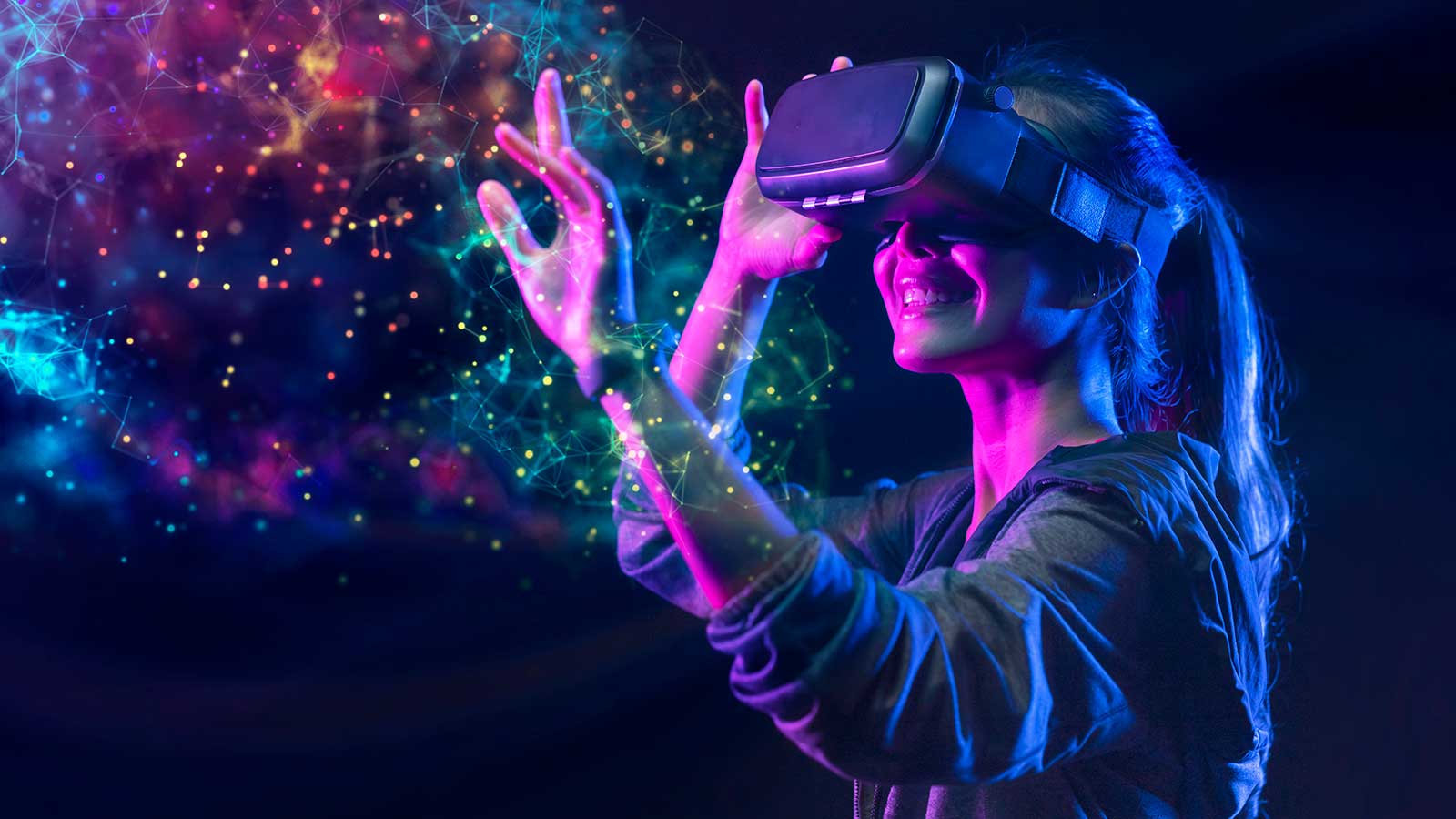
Technological innovation has remodeled almost each element of the artwork globe, and traditional portray methods are not any exception. Even though the essence of brush, pigment, and canvas remains central, electronic innovation has introduced new means for artists to generate, experiment, and share their function.
Growing the Artist’s Toolkit
Just about the most profound ways know-how has influenced regular painting is by broadening the artist’s toolkit further than brushes, paints, and canvases. Right now, artists can begin their Innovative process digitally, working with tablets, styluses, and software program systems like Procreate, Photoshop, or Corel Painter to sketch First Suggestions. These instruments mimic natural brushstrokes, textures, and blending procedures, enabling painters to visualise complex compositions ahead of implementing pigment to some Bodily area. This stage of experimentation is priceless—it encourages hazard-taking and exploration without the anxiety of wasting pricey products. Let's investigate the impression of technology with me, Gustav Woltmann.
For painters Functioning in regular mediums like oil or watercolor, electronic platforms offer a way to pre-prepare coloration palettes with incredible precision. Artists can check how warm and cool tones interact or preview how lights influences depth, preserving time during the actual painting method. Equally, 3D modeling program permits artists to construct lifelike references, giving them higher Handle in excess of point of view and proportion, significantly for intricate compositions involving architecture or human anatomy.
Importantly, The mixing of electronic applications doesn’t dilute the authenticity of traditional painting—it enhances it. Artists nonetheless rely on their tactile skill, sensitivity to brush pressure, and command of layering methods, but now they are able to method the canvas using a clearer vision and refined strategy. In reality, several artists blend each worlds, beginning with digital drafts and finishing with common execution, building is effective that Incorporate precision and human contact.
By increasing the toolkit, technological innovation has not replaced portray’s essence—it's got unlocked new dimensions of creativity. It enables traditional painters to experiment more freely, refine their observe, and thrust the boundaries of Visible storytelling although staying grounded in the timeless act of portray.
New Resources and Mediums
Improvements in science and engineering have revolutionized the extremely materials painters use, reshaping what can be done in standard painting techniques. In previously centuries, artists relied on purely natural pigments derived from minerals, vegetation, or insects—sources which were typically uncommon, unstable, or liable to fading after some time. Right now, chemistry and material science have released synthetic pigments with bigger toughness, consistency, and vibrancy, guaranteeing that colours keep on being as placing decades later on as they ended up within the working day of application.
One of the most important improvements has become the refinement of acrylic paints. Initial formulated inside the twentieth century, acrylics dry more quickly than oils, resist cracking, and can be employed on a wide variety of surfaces, from canvas and Wooden to plastics and metals. Contemporary formulations even mimic the richness and Mixing qualities of oils or perhaps the translucency of watercolors, offering painters overall flexibility without sacrificing classic aesthetics. In the same way, specialized varnishes and protecting coatings protect paintings from UV rays, moisture, and pollutants, extending their longevity in strategies unimaginable to earlier generations.
New mediums will not be restricted to pigments alone. Synthetic brushes meant to mimic all-natural bristles became more sturdy and functional, while environmentally friendly solutions are increasingly replacing hazardous solvents. Technological know-how has also expanded the physical surfaces artists can paint on—taken care of metals, acrylic panels, and in many cases fabrics designed for pigment retention open up novel avenues of expression although retaining the tactile essence of portray.
These improvements aren't departures from tradition but evolutions that respect it. By delivering for a longer period-Long lasting materials and even more adaptable mediums, technological innovation makes certain that common portray techniques can thrive in contemporary contexts. Artists right now inherit hundreds of years of creative follow when benefiting from applications that continue to keep their work vivid and enduring for future generations.
Sharing and Collaboration
Technologies has transformed how painters share their function and collaborate, reshaping the social dimension of standard art. Previously, an artist’s achieve was limited to nearby exhibitions, galleries, or commissions, frequently constrained by geography and social networks. Today, digital platforms like Instagram, Behance, and DeviantArt allow for painters to existing their do the job promptly to world wide audiences, bypassing regular gatekeepers even though even now complementing proven art institutions. This visibility has democratized obtain, offering emerging artists the identical platforms as renowned experts.
Collaboration has also entered a brand new period. Painters no more have to be in the identical studio—or perhaps the same state—to Trade Suggestions, techniques, and feed-back. By on the web communities, video phone calls, and collaborative apps, artists can co-produce parts, critique each other’s function, or host Are living-streamed painting sessions that invite authentic-time interaction. This cross-cultural dialogue enriches traditional portray methods by introducing artists to diverse kinds, colour theories, and cultural aesthetics, that may encourage new techniques to website their own personal function.
Technological know-how has even enabled interdisciplinary collaborations. Painters operate alongside electronic artists, animators, and technologists to create hybrid initiatives that combine regular brushwork with augmented actuality or projection mapping. These partnerships broaden what portray may be—not simply a static image on canvas, but Component of interactive, immersive experiences.
Importantly, the sharing part is not only about visibility and also about education and Local community-building. Tutorials, time-lapse movies, and system breakdowns enable painters to show and learn from one another throughout borders, ensuring the survival and evolution of classic techniques.
By breaking down geographic and institutional obstacles, know-how has produced painting a far more interconnected, collaborative, and dynamic artwork type. The canvas is no more confined to the studio wall; it exists in a global network of shared creativeness.
Preserving Custom Through Engineering
When technology usually drives innovation, considered one of its most profound impacts on portray lies in preservation. Traditional artworks, Specifically All those generations aged, are vulnerable to time, environmental injury, and human dealing with. Know-how now presents potent resources to guard, restore, and document these treasures even though guaranteeing that common techniques remain accessible to long term generations.
Large-resolution imaging and digital scanning enable museums and conservationists to review paintings in amazing depth, revealing underdrawings, brushstroke designs, or pigments invisible for the naked eye. Infrared and X-ray technologies, as an example, uncover artists’ unique sketches beneath layers of paint, providing insight into historical methods and decisions while guiding accurate restoration. Such applications don't just maintain the integrity of artworks and also deepen our comprehension of how classic tactics developed.
Superior components also contribute to preservation. Conservation experts now hire specialised varnishes, adhesives, and protective coatings that stabilize fragile functions without altering their appearance. Electronic archiving even more assures longevity—masterpieces are captured in in depth reproductions, permitting people all over the world to practical experience them almost even when the originals are too fragile to Screen.
Importantly, technologies also preserves custom by generating understanding widely available. On-line databases, online video tutorials, and electronic reconstructions keep endangered procedures—like fresco painting or tempera—alive, passing them on to new generations of artists. Digital actuality reconstructions of historic studios or workshops immerse learners in the environments wherever standard methods thrived.
Significantly from replacing custom, technology functions as being a guardian, safeguarding both equally artworks and strategies from remaining dropped to time. It makes certain that the brushstrokes in the earlier proceed to encourage long term creators, Mixing preservation with accessibility. In this way, technological innovation becomes not simply a Software for innovation but a custodian of creative heritage.
Summary
Technologies’s romance with traditional painting is not really about substitute, but improvement. It expands the artist’s toolkit with new electronic aids, introduces revolutionary resources and mediums, and reshapes how artists share and collaborate throughout borders. At the same time, it plays a vital job in preservation—defending priceless will work, archiving fragile techniques, and making certain that hundreds of years-aged traditions remain pertinent in a very rapidly altering entire world.
Rather then erasing the tactile, human essence of brush on canvas, technologies amplifies it, supplying artists and audiences new strategies to attach, learn, and encounter painting. The result can be a dynamic interaction where by the earlier and existing coexist: age-old techniques enriched by modern day equipment, and modern day experiments grounded in record. As artists go on to navigate this evolving landscape, the fusion of custom and technology guarantees painting remains a vital, revolutionary, and timeless art type.